


Why Flavored Syrups for Cocktails Matter
Flavored syrups for cocktails are the secret ingredient that separates a memorable drink from a forgettable one. Whether you're running a high-volume bar in Philadelphia or experimenting with craft mocktails, these sweet modifiers add depth, balance, and consistency to every pour.
Quick Answer: What You Need to Know
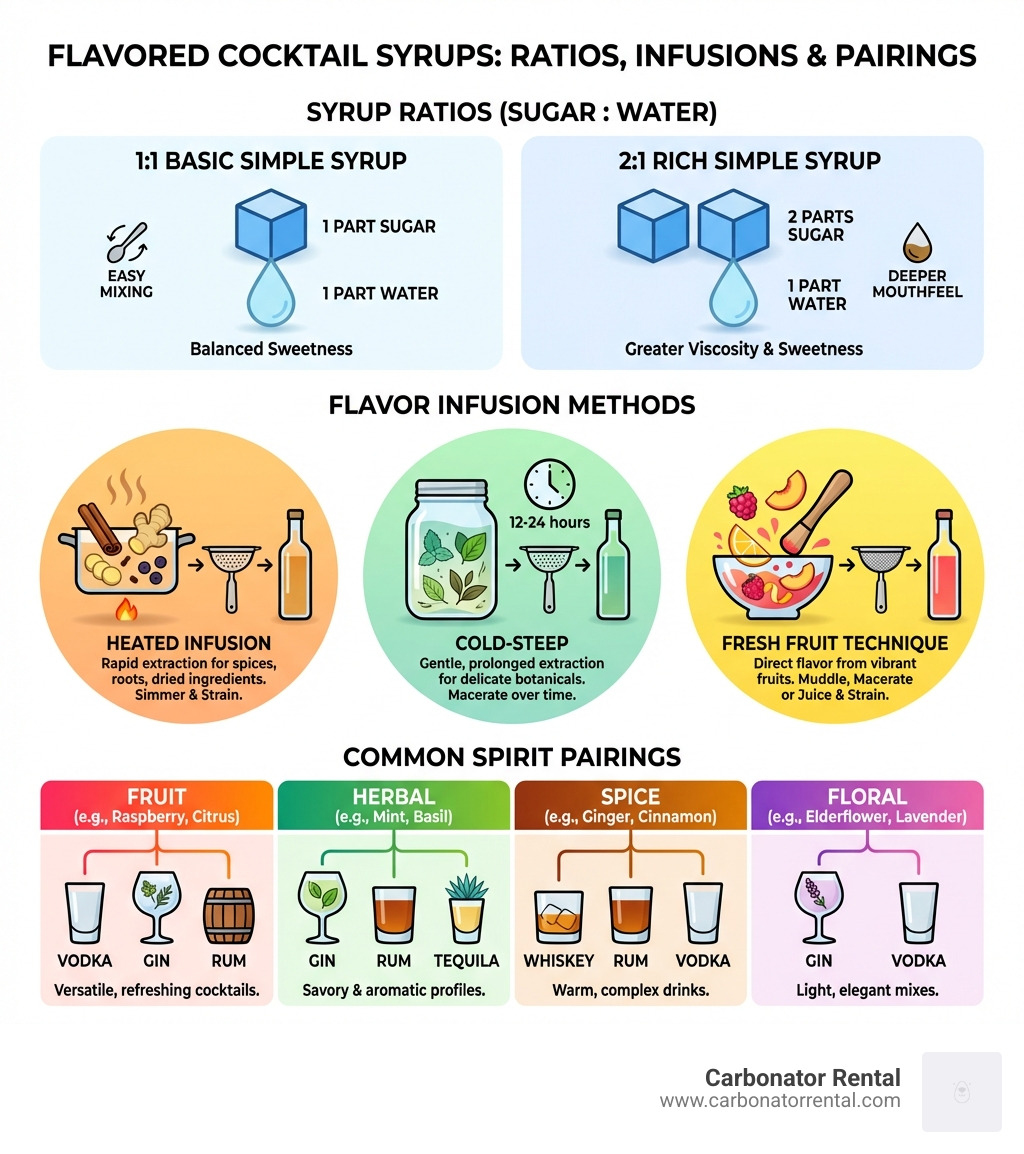
- Basic Simple Syrup: 1:1 sugar-to-water ratio for easy mixing
- Rich Simple Syrup: 2:1 sugar-to-water ratio for deeper sweetness and mouthfeel
- Popular Flavors: Fruit (raspberry, citrus), herbal (mint, basil), spice (ginger, cinnamon), and floral (elderflower, lavender)
- Commercial Solutions: Bag-in-box systems deliver consistency and reduce labor for busy bars
- Shelf Life: Homemade syrups last 1-2 weeks refrigerated; commercial systems offer longer stability
As one bartender noted in industry research, "bitters may get the glory," but the humble syrup is the true workhorse of cocktail modifiers. Unlike infusions that can overpower a spirit, syrups provide a quick flavor hit while maintaining balance.
For commercial operations, the challenge isn't just making great syrups—it's maintaining consistency across hundreds of drinks per shift. That's where reliable equipment, scheduled deliveries, and local support become essential.
Carbonator Rental has been serving Philadelphia-area bars and restaurants since 1955, providing not just premium bag-in-box syrups but the complete beverage infrastructure needed to keep operations running smoothly. From soda fountains and bar guns to CO₂ delivery and emergency maintenance, their family-run team ensures every glass poured meets your standards.
This guide covers everything from DIY infusion techniques to commercial-scale solutions, helping you choose the right approach for your beverage program.
Understanding Flavored Syrups for Cocktails
When we talk about flavored syrups for cocktails, we are looking at the essential building blocks of mixology. At its most basic, a syrup is a solution of sugar dissolved in water. However, the "flavored" part is where the magic happens. By infusing this base with fruits, herbs, spices, or even teas, we create a concentrated liquid that delivers both sweetness and a specific aromatic profile to a drink.
Unlike granulated sugar, which can settle at the bottom of a cold glass and create a gritty texture, syrups integrate instantly. This ensures that the first sip of a cocktail is just as balanced as the last. For bar owners in Atlantic City or Wilmington, using high-quality syrups—whether house-made or sourced via Bag-in-Box Syrup systems—is about more than just taste; it’s about the viscosity and "mouthfeel" of the final product.
Why Use Flavored Syrups for Cocktails in Your Bar?
In the busy environment of a Newark restaurant or a Cherry Hill cafe, efficiency is king. Flavored syrups allow us to achieve complex flavor profiles without the labor-intensive process of muddling fresh ingredients for every single order.
- Consistency: A pre-made syrup ensures that every "Raspberry Collins" tastes exactly the same, regardless of which bartender is behind the stick.
- Texture: Syrups add a silky weight to drinks. For example, syrups made from cane sugar provide a gentle sweet note and a pleasing texture that enhances the overall drinking experience.
- Complexity: With over 121 specialized items available in modern syrup categories, the flavor possibilities are endless. We can move beyond "sweet" into smoky, spicy, floral, and botanical territories.
- Speed of Service: Pouring an ounce of ginger syrup is significantly faster than peeling, grating, and muddling fresh ginger during a Friday night rush.
The Difference Between Simple and Rich Syrups
The ratio of sugar to water defines the syrup's character.
- Simple Syrup (1:1): This is the industry standard. It consists of equal parts sugar and water. It is easy to make, easy to pour, and acts as a blank canvas for flavors.
- Rich Simple Syrup (2:1): This uses two parts sugar to one part water. It is thicker, more viscous, and significantly sweeter.
Historically, pre-prohibition cocktails often favored rich syrups because the higher sugar concentration acted as a natural preservative in an era before reliable refrigeration. Today, we use rich syrups when we want to add body to a drink without adding too much water (dilution). This is particularly useful in "boozy" classics like an Old Fashioned or in non-alcoholic drinks where we want to mimic the "weight" of a spirit.
Essential Methods for Crafting Homemade Syrups
If you are looking for Saveur inspiration for flavored variations, you'll find that the method of extraction is just as important as the ingredients themselves. We generally use three main techniques to get flavor into our sugar-water base.
The Heated Method for Spices and Roots
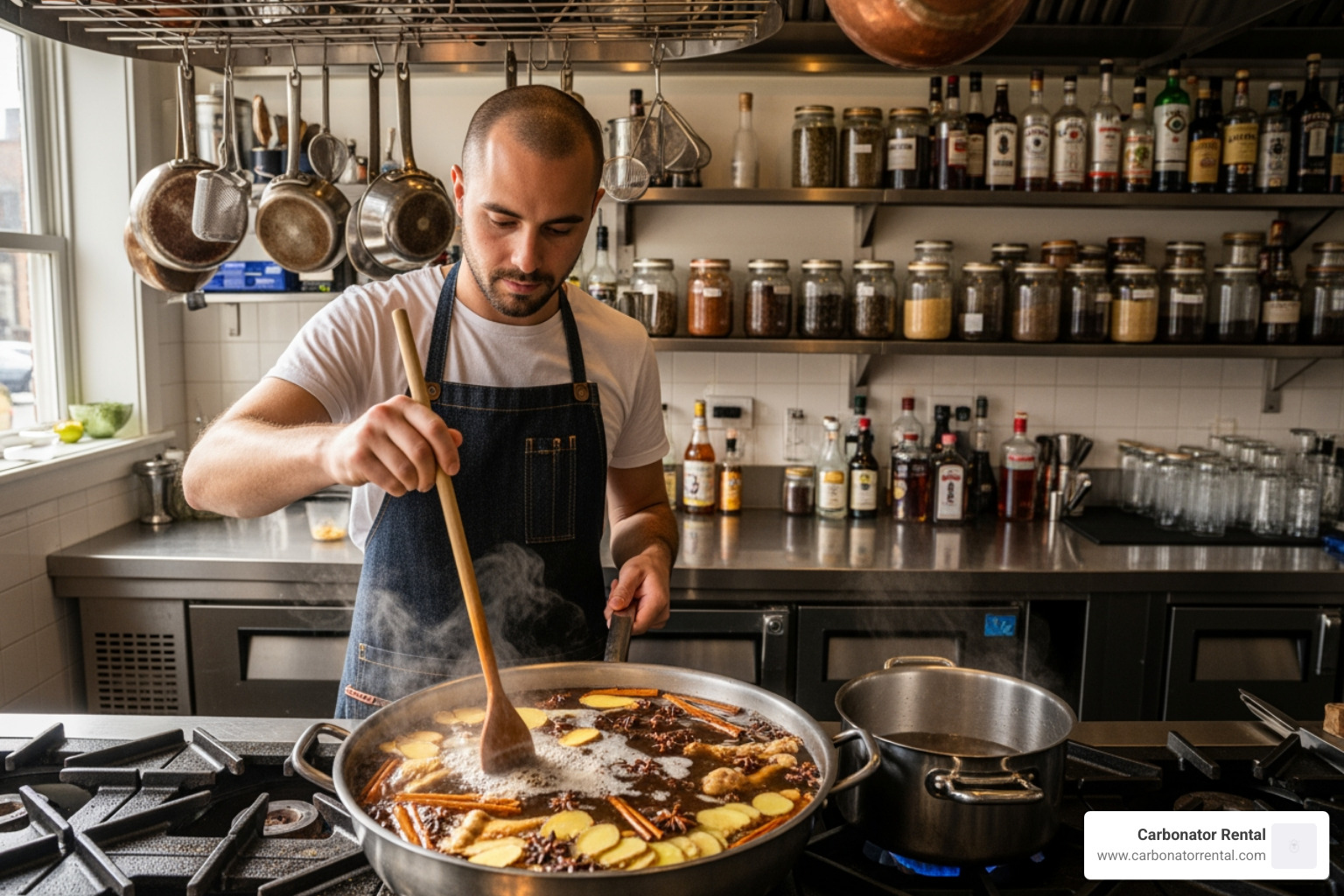
The heated method is the go-to for "hard" ingredients that need a bit of muscle to release their oils and essences. Think of woody spices and dense roots.
- Ingredients: Ginger, cinnamon sticks, peppercorns, vanilla beans, or star anise.
- Process: Combine your sugar and water in a saucepan. Add your aromatics (crack the cardamom pods or grate the ginger first for better extraction). Bring the mixture to a gentle boil, then simmer for 5 to 10 minutes.
- Expert Tip: For a "spicy" kick, try a chili-spiked syrup. The heat from the peppers infuses beautifully into the sugar, creating a syrup that balances perfectly with lime juice in a margarita.
The Cold-Steep Method for Delicate Herbs
Delicate greens like mint, basil, and cilantro don't handle high heat well. If you boil them, they often turn brown and take on a "cooked" or bitter vegetable taste.
- Ingredients: Mint, basil, rosemary, thyme, or lavender.
- Process: Make your simple syrup first and let it cool slightly (but still remain warm). Pour the warm syrup over your fresh herbs, cover the container to trap the volatile oils, and let it steep for about an hour.
- Preservation: To keep the color vibrant, some pros recommend "blanching" the herbs (dipping them in boiling water for 15 seconds, then immediate ice water) before blending them into the syrup.
Fresh Fruit and Juicing Techniques
For the most vibrant fruit flavors, we want to avoid over-cooking the produce. There are two main ways to handle fruit:
- The Muddle Method: For juicy berries like raspberries or blackberries, you can muddle the fresh fruit directly into a finished simple syrup and then strain out the solids. This creates a "fresh" taste that is unbeatable in a Clover Club or a Bramble.
- The Maceration Method: Coat your fruit in dry sugar and let it sit for several hours. The sugar draws the juice out of the fruit (osmosis!), creating a super-concentrated fruit syrup. Then, add a small amount of water to reach your desired consistency.
For health-conscious guests, you can even explore Sugar-free syrup options using Truvia or other erythritol-based sweeteners to create keto-friendly cocktails that don't sacrifice flavor.
Popular Flavor Profiles and Spirit Pairings
Choosing the right flavored syrups for cocktails requires an understanding of how tastes interact. In mixology, we look at eight key tastes: sweet, salty, sour, umami, bitter, spicy, boozy, and astringent. Syrups are primarily used to provide "sweet," which balances "sour" (citrus) and "bitter" (campari or amari).
Choosing the Best Flavored Syrups for Cocktails and Mocktails
We categorize syrups into several distinct profiles to help our customers in the Delaware Valley build their menus:
- Fruit Syrups: Raspberry, blackberry, passion fruit, and pomegranate (the base for real Grenadine). These are essential for tropical and "refreshing" drink categories.
- Herbal Infusions: Mint and basil are the workhorses here, but rosemary and thyme are gaining popularity for savory, botanical cocktails.
- Tea-Based Syrups: Using Earl Grey, Hibiscus, or Butterfly Pea flower tea as the "water" component of your syrup adds tannins and complex floral notes.
- Spice & Nut: Ginger, cinnamon, and Orgeat (almond syrup). These are the backbone of the Tiki movement and classic winter warmers.
Matching Syrups with Base Spirits
To create a balanced drink, we often pair syrups with spirits that share or complement their aromatic compounds:
- Gin: Pairs beautifully with floral notes like elderflower or lavender, and garden-fresh herbs like basil.
- Rum: Loves tropical fruit (pineapple, coconut) and "warm" spices like ginger or cinnamon.
- Whiskey: Matches well with "darker" flavors like maple, black walnut, pecan, or honey-chamomile.
- Tequila: A natural fit for citrus (lime, orange) and spicy elements like jalapeño or even curry-infused syrups for a professional twist.
Commercial Solutions: Bag-in-Box Syrups for High-Volume Bars
While making a small batch of rosemary syrup for a boutique bar in Princeton is manageable, what happens when you’re serving thousands of guests at a stadium in Philadelphia or a large-scale resort in Atlantic City? This is where artisanal methods meet their limits, and Wholesale Bag-in-Box Syrup Distribution takes over.
Benefits of Bag-in-Box Systems
Bag-in-Box (BIB) systems are the gold standard for high-volume efficiency. Instead of storing dozens of glass bottles, the syrup is held in a heavy-duty plastic bag inside a cardboard box, connected to a bar gun or soda fountain via a pump.
- Space Saving: One BIB container can produce gallons of finished product, taking up far less shelf space than individual bottles.
- Labor Reduction: No more boiling pots of sugar water or straining fruit pulp for hours before a shift.
- Consistency: Every pour is calibrated. Whether it’s a classic cola or a specialized ginger ale syrup, the "brix" (sugar content) remains identical every time.
- Cost-Effectiveness: Purchasing at a wholesale level significantly lowers the "pour cost" of each drink, directly impacting your bottom line.
At Carbonator Rental, we specialize in providing these systems with the local support that national distributors often lack. We don't just drop off a box; we ensure your pumps are primed, your lines are clean, and your gas levels are perfect.
Scaling Your Beverage Program
Scaling a business in the New Jersey or Pennsylvania hospitality sector requires reliability. We’ve been "Powering the Perfect Pour Since 1955," and we understand that a broken bar gun on a Saturday night isn't just an inconvenience—it's lost revenue.
Our full-service approach includes:
- Local Delivery: We know the streets of Philly and the backroads of Delaware. Our delivery teams are consistent and dependable.
- Equipment Maintenance: We provide and service the soda fountains, bar guns, and CO₂ systems that make BIB syrups work.
- Emergency Support: If your system goes down, our local technicians are ready to get you back up and running fast.
Frequently Asked Questions about Flavored Syrups
How long do homemade flavored syrups last?
Because they are made with fresh ingredients and lack industrial preservatives, homemade syrups have a relatively short shelf life.
- Simple Syrups (1:1): Generally last 1 to 2 weeks in the refrigerator.
- Rich Syrups (2:1): Can last up to a month due to the higher sugar concentration.
- Pro Tip: To extend the life of your house-made syrups, add a half-ounce of high-proof vodka or neutral grain spirit to the batch. This acts as a preservative without significantly altering the flavor. If you see any cloudiness or mold, toss it immediately!
Can I use flavored syrups in coffee or baking?
Absolutely! The versatility of flavored syrups for cocktails extends far beyond the bar.
- Coffee: Vanilla, cinnamon, and nut-based syrups (like almond or pecan) are perfect for lattes and cold brews.
- Baking: Use fruit syrups as a "soak" for sponge cakes to add moisture and flavor, or drizzle ginger syrup over a fresh fruit tart.
- Non-Alcoholic: They are the primary ingredient in craft sodas and sophisticated mocktails. A "Cucumber-Basil-Cardamom" syrup mixed with sparkling water is a refreshing alternative for guests who aren't drinking alcohol.
What is the best way to store syrups to prevent mold?
The enemies of syrup are heat and air.
- Sterilization: Always store your syrups in glass bottles or airtight containers that have been thoroughly cleaned (and ideally sanitized with boiling water).
- Temperature Control: Keep them in the coldest part of your refrigerator.
- Minimize Air: Use bottles that are appropriately sized for the batch; too much "headspace" (empty air) in the bottle can lead to faster spoilage.
- Commercial Advantage: For businesses, BIB systems are completely sealed from the air, meaning they offer much longer shelf stability than any open-bottle system.
Conclusion
From the handcrafted infusion of a single vanilla bean to the high-tech precision of a bag-in-box delivery system, syrups are the heart of the modern beverage program. They provide the sweetness that balances our spirits and the aromatics that define our signature serves.
Whether you are a home enthusiast looking to perfect your mint julep or a restaurant owner in the Philadelphia area looking to streamline your operations, the right syrup solution is out there. By focusing on quality ingredients and reliable delivery systems, you can ensure that every drink you serve is a "perfect pour."
Ready to lift your bar's efficiency and flavor? Contact Carbonator Rental for Wholesale Bag-in-Box Syrup Distribution and let us help you power your beverage program with the same dedication we've provided since 1955. Whether you need the syrups themselves or the high-performance equipment to pour them, we are your local partners in the perfect pour.
